Commercial Roofing in Denver, CO
Business roofs need dependable service to limit disruption and protect the building.
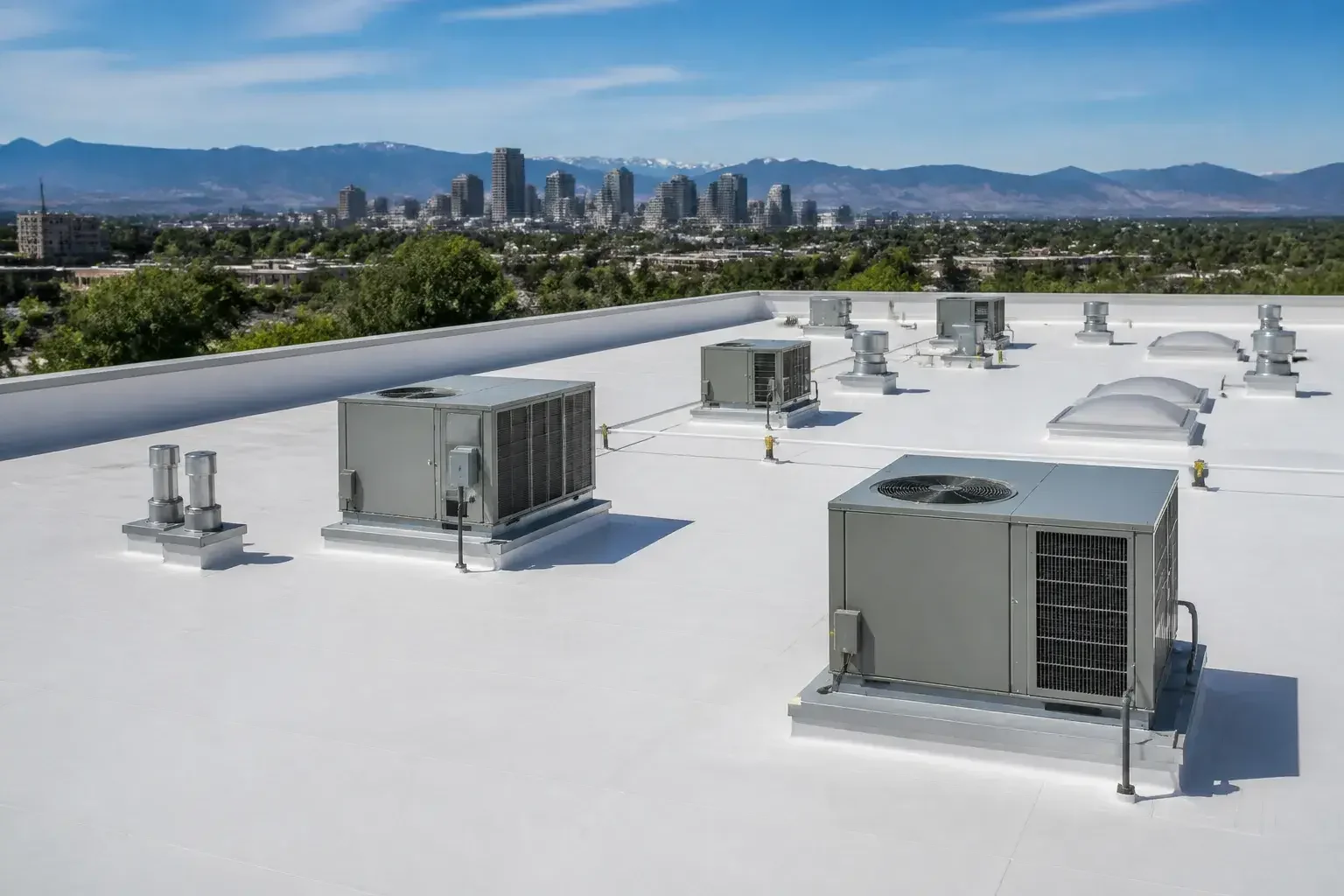
If your building has stains spreading across the ceiling, loose flashing, or seams that keep opening up after every storm, the problem usually starts small and then becomes harder to ignore. You may notice water showing up after heavy rain, damp insulation, or tenants reporting that something does not look right overhead.
Ridgecrest Roofing Co helps property owners and managers handle commercial roofing issues before they spread through the structure. Whether the roof is aging, leaking, or damaged by hail, we can inspect the problem, explain what is happening, and recommend the next step for the roof system on your building in Denver.
Warning signs
A commercial roof often gives hints before a major failure. The tricky part is that the clues may show up inside the building first, while the actual source sits far above on the roof surface or along the drainage edges.
Look for these common signs:
- Water spots: New staining on ceilings or upper walls usually means moisture has found a path through the roof assembly.
- Bubbling or peeling: Interior finishes that bubble or peel can point to trapped moisture above the ceiling line.
- Visible seam movement: Open seams, lifted flashing, or separated materials can let water in during normal weather.
- Soft areas: Spots that feel spongy or weak may indicate damage under the surface layer.
- Debris after storms: Shingle fragments, granules, or roofing pieces in drains or around the property can signal impact damage.
If you are seeing any of these issues at your property in Denver, it is worth addressing them quickly. Small failures on a commercial roof can affect equipment, tenant spaces, stored inventory, and day-to-day operations.
Common causes
Commercial roofs can fail for a few practical reasons, and the cause matters because it changes how the repair or replacement should be handled.
- Aging materials: Roofing materials break down over time, which can lead to cracking, splitting, or loosening at seams and edges.
- Storm impact: Hail and wind can damage the roof surface, dislodge components, or create openings that are not obvious from the ground.
- Drainage trouble: When water sits too long on a flat roof, it can speed up wear and expose weak points.
- Past repairs: Patchwork fixes that were rushed or mismatched may fail early and leave the underlying issue unresolved.
- Traffic on the roof: Service work, HVAC access, and regular foot traffic can wear down certain areas faster than others.
For buildings in and around Denver, these issues are often mixed together. A roof may show both age-related wear and storm damage at the same time, which is why a close inspection matters before any work begins.
How we help
Ridgecrest Roofing Co works with homeowners and property owners who need a clear answer about the condition of a commercial roof. We have served Denver and the Front Range since 2009, and we keep the process straightforward from the first look to the final cleanup.
Roof repair
We handle targeted repairs for leaks, damaged sections, loose materials, and problem areas that can be corrected without replacing the entire roof. The goal is to stop the source of the trouble and help the roof perform as it should.
Roof replacement
When the roof is worn beyond practical repair, we provide full roof replacement for commercial properties. We remove the failing system, install the new roof with care, and keep the site clean while the work is underway.
Roof inspection
A roof inspection helps identify damage that may not be obvious from the ground. We look for visible wear, storm-related issues, and signs that point to water intrusion so you can make a sound decision about the next step.
Storm damage repair
Hail and wind can leave commercial roofs looking fine from afar while still causing hidden damage. We assess the affected areas, document what needs attention, and repair the damaged sections so the roof is ready for the next round of weather.
Roof types
Not every commercial roof is built the same way, and the repair approach should match the roof design on the building.
- Flat roofing: Flat roofs need careful attention to seams, drainage, and low spots where water can collect.
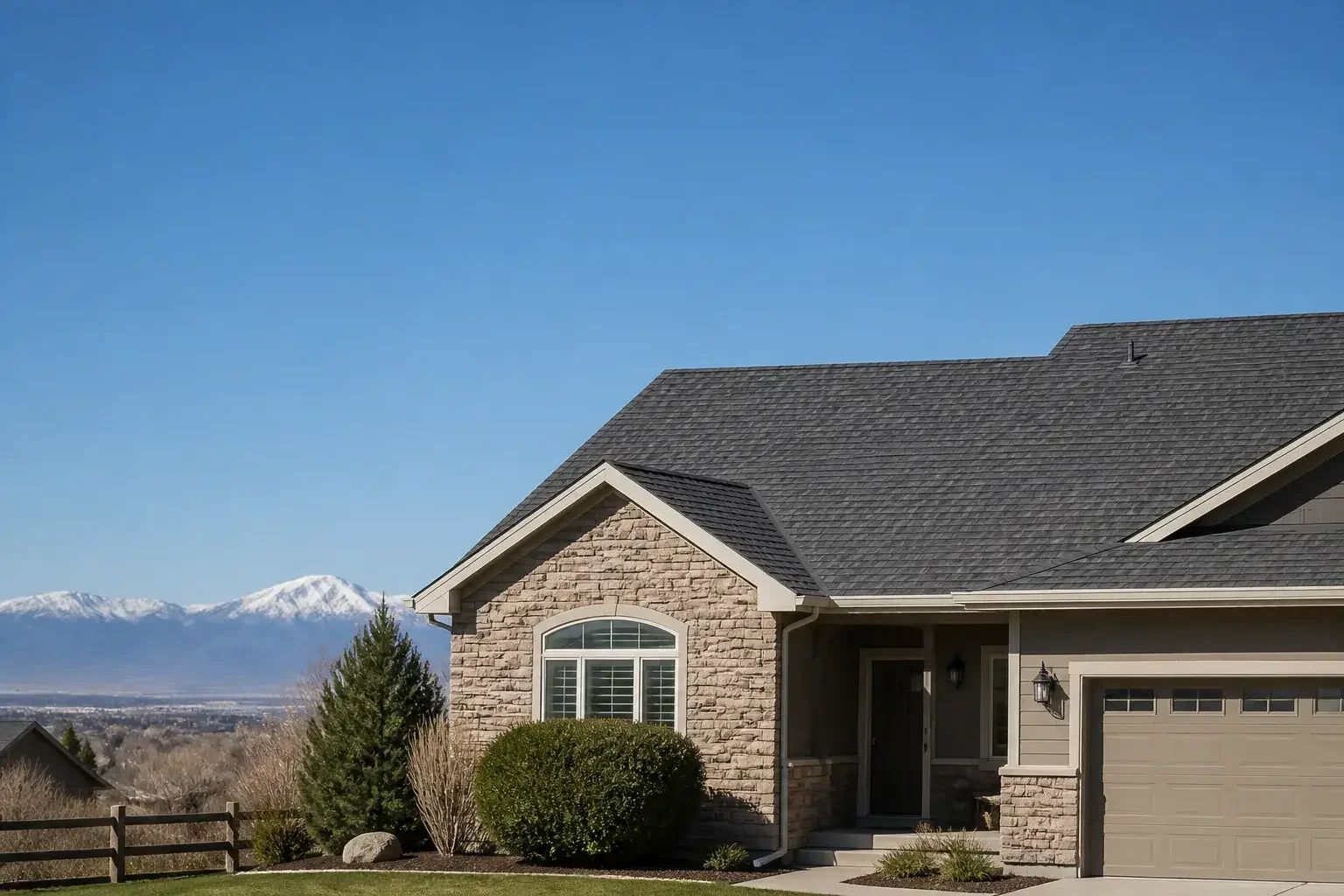
- Shingle roofing: Some commercial structures use shingle systems, and those roofs can show familiar wear patterns like missing pieces, lifting, or surface loss.
- Commercial roof assemblies: Larger buildings often have layered systems that require close attention to flashing, edges, transitions, and penetrations.
The right fix depends on what is actually on the building, how the roof is failing, and whether the damage is isolated or widespread. That is why we start with the roof itself, not a one-size-fits-all answer.
What to expect
A commercial roofing project should feel organized, not chaotic. We aim to keep the process clear so you know what is happening and what comes next.
- Initial look: We assess the roof and identify the visible trouble spots.
- Problem review: We explain what appears to be causing the issue and what parts of the roof are affected.
- Work plan: We outline the repair or replacement approach that fits the roof and the damage.
- On-site work: We complete the roofing work while keeping the job site as clean as possible.
- Final cleanup: We leave the property tidy and ready for normal use.
If your building needs roof work in Denver, a direct process matters. You do not want vague answers or repeated callbacks when the roof is already causing stress.
Insurance and damage help
Storm-related roof problems can be frustrating because the damage is not always easy to spot from the ground. Ridgecrest Roofing Co can help homeowners and property owners understand what happened and what needs to be repaired.
After hail
Hail can bruise materials, weaken protective layers, and create damage that gets worse after the next rain. A careful roof inspection can reveal where the roof took the hit.
After wind
Wind can lift edges, loosen flashing, and pull materials out of place. Even if the roof still looks mostly intact, those lifted areas can become entry points for water.
For claim support
If you are dealing with a covered loss, we can help document the roof condition and the damage we find. That makes it easier to move forward with the claim process and understand what work is needed.
Service area
We serve commercial roofing customers in Denver and nearby Front Range communities, including Aurora, Lakewood, Arvada, Westminster, Thornton, Englewood, Centennial, and Littleton. If your property is in the area and the roof needs attention, we can help you get a practical answer.
Ridgecrest Roofing Co brings a local, licensed and insured crew to each project, and we back every job with a written workmanship warranty and a clean job site.
Common questions
How do I know if my commercial roof needs repair or replacement?
The answer depends on the age of the roof, the amount of visible damage, and whether the problem is limited to one area or spread across the surface. A roof inspection is the fastest way to sort that out.
What kinds of damage should I look for after a storm?
Look for lifted materials, missing pieces, dents, loose flashing, debris on the roof or around drains, and new ceiling stains inside the building. Some damage is subtle and shows up only after a close inspection.
Can a small leak turn into a larger issue?
Yes, because water can travel away from the original entry point and affect other parts of the roof or interior structure. What looks minor at first can become more expensive if it is ignored.
Do you work on flat roofs?
Yes, we handle flat roofing as part of our commercial roofing services. These roofs need careful attention to drainage, seams, and low spots where water may collect.
Will roofing work interrupt normal building use?
That depends on the scope of the project and the layout of the property. We work to keep the site organized and the process clear so you can plan around the work.
What should I do before roofing work begins?
Clear access to the roof area if possible, let occupants know that work is scheduled, and move anything that could be affected near the work zone. That helps the project start smoothly and keeps the site safer.
If you need commercial roofing help in Denver, Ridgecrest Roofing Co is ready to inspect the roof, explain the issue, and complete the work with care.
How We Work
A Clear Roofing Process From Start to Finish
Every project begins with a careful look at the roof and a conversation about the best next step.
Inspect the Roof
We evaluate the roof condition, problem areas, and likely sources of damage or leaks.
Review Your Options
You get a clear explanation of the repair, replacement, or storm damage solutions that fit the situation.
Complete the Work
Our crew handles the job carefully and leaves the property clean when finished.
FAQ
Common Roofing Questions
If you have a question about your roof, send us a message and we will help you think through the next step.
How do I know if my roof needs repair or replacement?
An inspection is the best place to start. We look at the roof condition and explain which option makes the most sense.
Can you help after hail or storm damage?
Yes, we handle storm damage repair and can assess the roof after severe weather.
Do you work on flat roofs?
Yes, we provide flat roofing service for both repair and replacement needs.
Can you inspect a roof before I buy or sell a home?
Yes, we offer roof inspections to help you understand the condition of the roof before you move forward.
Do you help with leaks right away?
Leak repair is one of the most important services we provide because water problems can spread fast.
Let’s Talk About Your Roof
Tell us what is happening with your roof, and we will help you decide on the next step for repair, replacement, inspection, or storm damage work.