Flat Roofing in Denver, CO
Flat roof problems can spread quickly when drainage or membrane issues go unchecked.
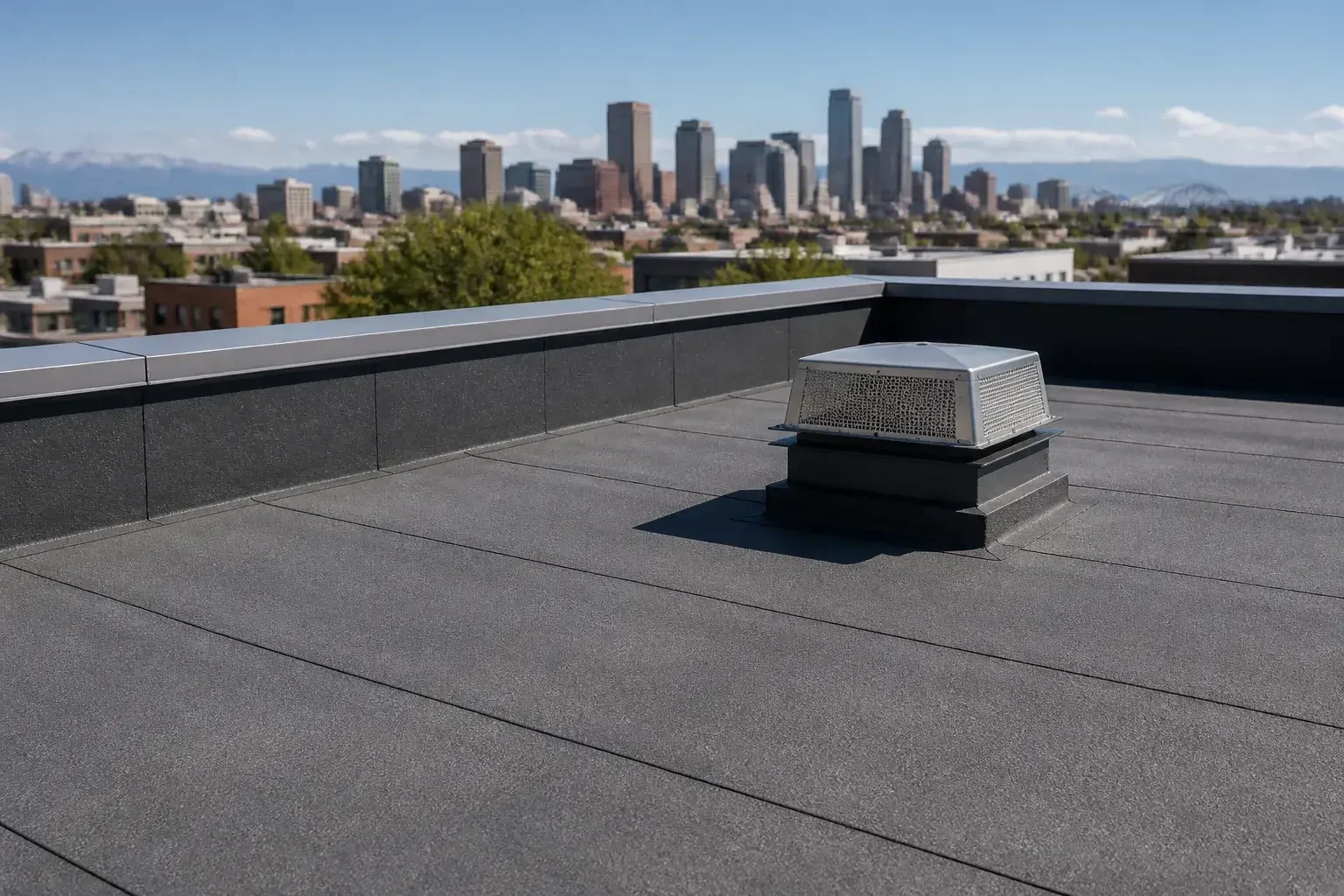
If your flat roof has a damp ceiling stain, soft spots near the membrane, or water that lingers after rain, it is time to get it looked at. Small issues on a flat roof can turn into larger damage because water has fewer ways to run off, and the trouble often shows up inside before it looks dramatic outside.
Ridgecrest Roofing Co helps homeowners in Denver with flat roofing repairs, replacements, inspections, and leak repair. We check the roof surface, seams, flashing, drainage points, and trouble spots around penetrations so you can understand what is happening and what needs to be done next.
Warning signs
Flat roof problems often start quietly. Some signs are easy to see, while others show up as interior damage or a recurring damp smell after storms.
- Ponding water: Water that sits on the roof long after the weather clears can put stress on seams and surface materials.
- Interior stains: Yellow or brown marks on ceilings and walls often mean moisture is getting in somewhere above the finished space.
- Soft or spongy areas: A section that feels different underfoot may point to trapped moisture or damaged decking beneath the surface.
- Cracked seams: Open seams can let water in even when the rest of the roof looks intact.
- Bubbling or blistering: Raised areas in the roofing surface can signal trapped air or moisture that has started to affect the roof layers.
- Loose flashing: Any separation around edges, vents, or roof transitions can create a path for leaks.
Common causes
Flat roofing problems can come from age, surface wear, or damage from weather and foot traffic. The cause matters because the repair should match the way the roof is failing, not just cover the visible symptom.
- Seam failure: Many flat roofing systems rely on joined sections, and those seams can weaken over time.
- Drainage issues: If water cannot move away from the surface efficiently, it can sit long enough to wear down the roof.
- Punctures or cuts: Dropped tools, branches, or regular rooftop access can leave openings that are easy to miss from the ground.
- Flashing breakdown: The edges and transition points around skylights, walls, vents, and parapets are common leak locations.
- Aging surface material: As flat roofing materials age, they can lose flexibility, crack, or separate at stress points.
- Past repairs that did not hold: Patches that were not tied into the surrounding roof correctly can fail and create repeat leaks.
If your roof has had the same problem more than once, the issue may be more than a surface patch. We look for the source, not just the drip point, so the fix addresses the actual failure.
Repair options
Flat roofing repair is not one-size-fits-all. The right approach depends on where the leak starts, how much surface is affected, and whether the roof can be restored without replacing larger sections.
Localized repair
When damage is limited to a specific area, a focused repair may solve the problem. That can include sealing a failed seam, repairing a puncture, or correcting flashing around a vulnerable spot.
Leak repair
Leak repair starts with tracing moisture back to the entry point. We look above the visible stain, check nearby roof details, and confirm whether the opening is in the membrane, seam, or edge detail.
Surface replacement
If the roof has multiple failing areas or widespread deterioration, replacing the flat roofing surface may be the better choice. That can help avoid repeated patchwork that only delays the same problem.
Shingle-to-flat transitions
Some homes have roof sections that meet different roof types. Those transition areas need careful attention because movement and water flow can stress the connection.
Flat roof replacement
When the roof is too worn for practical repair, replacement gives you a clean starting point. We remove the failing material, address the underlying condition as needed, and install the new roof with attention to seams, drainage, and clean edges.
Our process
Ridgecrest Roofing Co keeps the process straightforward so you know what is being checked and why. You should not have to guess whether a repair is enough or whether the roof needs more work.
- Roof review: We start by inspecting the visible roof condition, drainage points, and the areas most likely to fail.
- Problem tracing: We look for the source of the leak or damage, including seams, edges, flashing, and penetrations.
- Clear findings: We explain what we found in plain language so you can understand the condition of the roof.
- Repair or replacement plan: We recommend the most practical path based on the roof’s condition and how far the damage has spread.
- Jobsite cleanup: We keep the site orderly and remove debris when the work is finished.
That process matters because flat roofing can look manageable from the outside while hiding a larger issue underneath. A careful review helps avoid short-term fixes that do not last.
Flat roof materials
Different flat roofing systems behave differently, so the same symptom can have different causes depending on the roof surface. A repair that works for one roof may not be the right move for another.
Surface seams
Seams are often where water finds a way in first. If the seam has opened, split, or separated, the repair needs to restore a tight connection with the surrounding roof.
Membrane areas
Some flat roofs rely on a membrane surface that can become brittle, punctured, or loosened over time. We check for wear that may not be visible until the roof is opened up and inspected closely.
Edge details
Roof edges, terminations, and transitions take a lot of stress. These details need to be secure because they are exposed to movement, runoff, and changing conditions.
Drainage points
Even a solid roof can develop problems if water is not moving away properly. Drainage details deserve attention because standing water often leads to recurring trouble.
What homeowners notice
The first clue is not always a big leak. Many homeowners call when they see a subtle pattern that keeps coming back after weather shifts.
- A stain that keeps returning: Reappearing marks often mean the leak path is still active.
- Moisture near an exterior wall: Water can travel before it shows up inside, which makes the source harder to spot without a close inspection.
- Roof surface that looks uneven: Low spots or sagging can point to water retention or damage below the surface.
- Repeated patch failures: If the same area has been repaired more than once, the root problem may still be there.
When those signs appear, a targeted flat roofing review is usually the next step. The goal is to stop the damage before it spreads to more of the roof or the interior below it.
Denver homeowners ask
How do I know if my flat roof needs repair or replacement?
The difference often comes down to how widespread the damage is. One isolated leak may be repairable, while multiple failing areas or aging material can point toward replacement.
Why does water sit on a flat roof?
Flat roofs are designed with a low slope, so drainage depends on the roof’s layout and condition. If water stays in one place too long, the roof may need correction at a drainage point or low spot.
Can a flat roof leak without visible roof damage?
Yes. Some leaks begin at seams, flashing, or penetrations and only show up inside after water has already traveled through the roof layers.
What areas do you check first?
We start with the most common failure points, including seams, edges, transitions, and drainage areas. Those spots often tell the story faster than the center of the roof.
Why does the same leak keep coming back?
Repeat leaks usually mean the source was not fully corrected or the surrounding roof area is still failing. A repair should address the cause, not just the visible stain.
What should I do before a roof visit?
If possible, note where you see the stain, when it appears, and whether it changes after rain. That information can help narrow the problem area during the inspection.
Ready for help
Flat roofing problems rarely improve on their own. A small opening can keep letting in moisture, and that moisture can affect more of the roof than you can see from below.
Ridgecrest Roofing Co has helped homeowners in Denver with flat roof repair, replacement, inspection, and leak repair since 2009. If you want a clear look at what is going on with your roof, we can inspect the problem area, explain the findings, and move forward with the right fix for your home.
How We Work
A Clear Roofing Process From Start to Finish
Every project begins with a careful look at the roof and a conversation about the best next step.
Inspect the Roof
We evaluate the roof condition, problem areas, and likely sources of damage or leaks.
Review Your Options
You get a clear explanation of the repair, replacement, or storm damage solutions that fit the situation.
Complete the Work
Our crew handles the job carefully and leaves the property clean when finished.
FAQ
Common Roofing Questions
If you have a question about your roof, send us a message and we will help you think through the next step.
How do I know if my roof needs repair or replacement?
An inspection is the best place to start. We look at the roof condition and explain which option makes the most sense.
Can you help after hail or storm damage?
Yes, we handle storm damage repair and can assess the roof after severe weather.
Do you work on flat roofs?
Yes, we provide flat roofing service for both repair and replacement needs.
Can you inspect a roof before I buy or sell a home?
Yes, we offer roof inspections to help you understand the condition of the roof before you move forward.
Do you help with leaks right away?
Leak repair is one of the most important services we provide because water problems can spread fast.
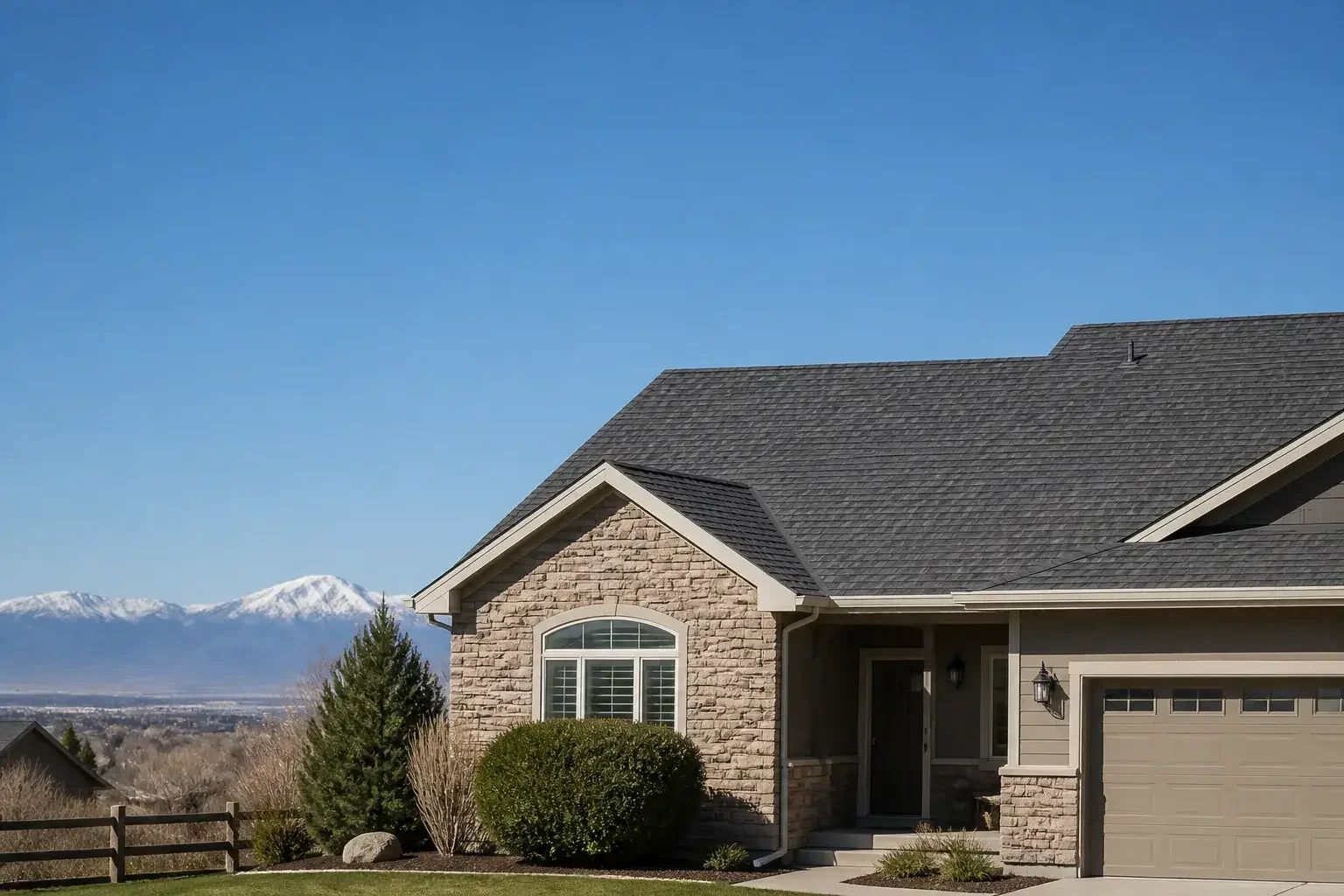
Let’s Talk About Your Roof
Tell us what is happening with your roof, and we will help you decide on the next step for repair, replacement, inspection, or storm damage work.