Roof Inspection in Denver, CO
Unseen damage can turn into costly issues without a careful roof inspection.
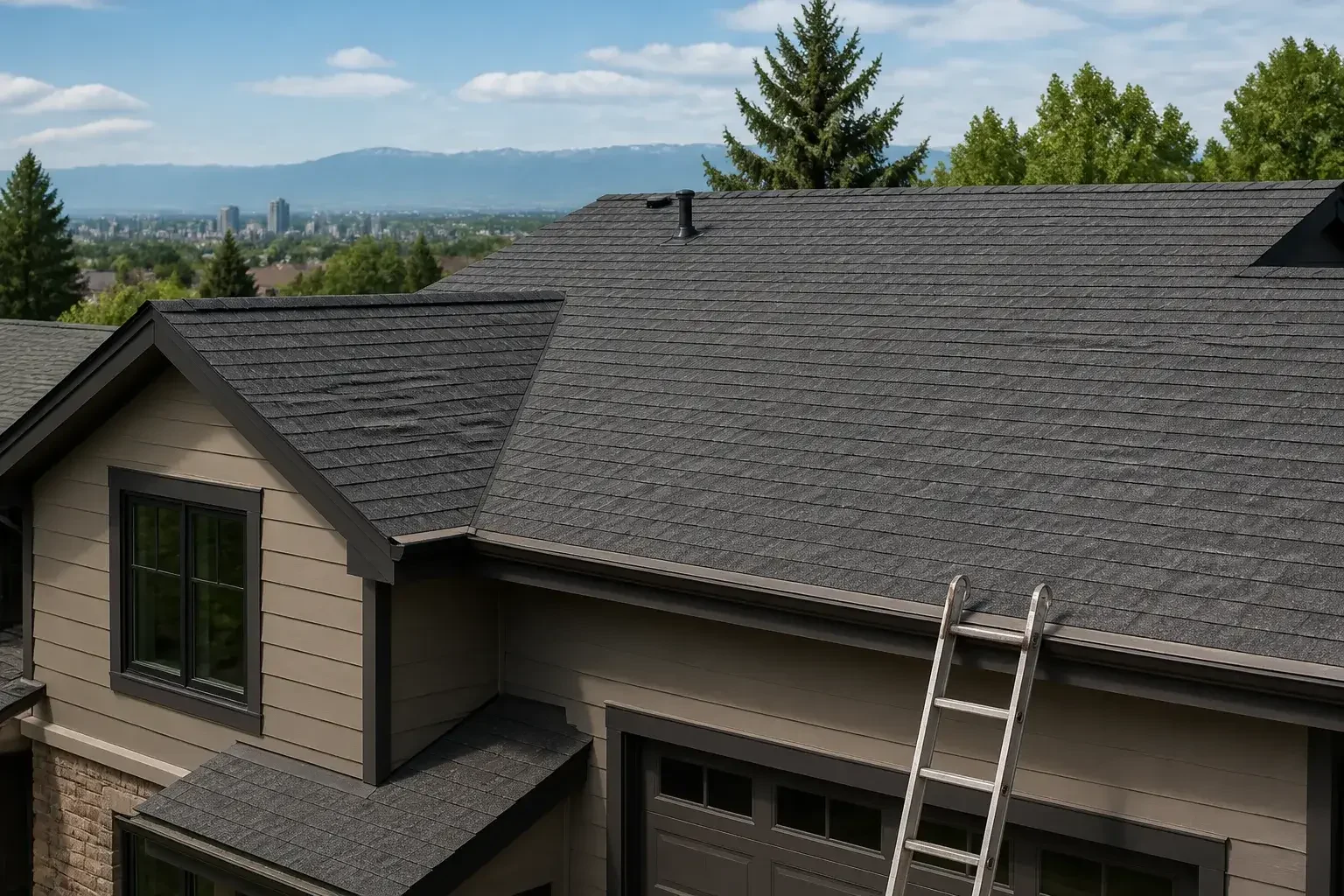
If you have noticed missing shingles, a stain on the ceiling, granules in the gutters, or a roof that just looks tired, it is time to get a closer look. Small issues can hide under the surface until they turn into leaks, interior damage, or a repair that is larger than it needed to be.
A roof inspection gives you clear answers before that happens. Ridgecrest Roofing Co. checks the condition of your roofing materials, looks for signs of storm and hail damage, and identifies problem areas so you can decide whether a repair or roof replacement makes sense.
What we look for
A roof inspection is more than a quick glance from the driveway. We examine the roof with the goal of finding active damage, early warning signs, and areas that could fail soon if left alone.
- Shingle condition: We look for cracked, curling, lifted, or missing shingles that can let water reach the roof deck.
- Hail and storm marks: We check for impact damage, bruising, and wear patterns that can point to weather-related problems.
- Flashing and transitions: We inspect the places where the roof meets walls, valleys, vents, and other penetrations because those areas often fail first.
- Leak clues: We look for stains, soft spots, and other signs that water may already be entering the structure.
- Drainage concerns: We note anything that may cause water to linger or move the wrong way across the roof.
Ridgecrest Roofing Co has been serving Denver and the Front Range since 2009, so we know how to separate cosmetic wear from real roof trouble. That matters when you want a clear answer, not a vague guess.
Warning signs
Not every roof problem announces itself with a major leak. In many cases, the first signs are small and easy to miss until a heavier rain or hailstorm makes them worse.
- Interior stains: Brown spots on ceilings or walls often mean water is getting in somewhere above.
- Shingle debris: Granules in gutters or around downspouts can point to aging shingles or weather wear.
- Visible damage from the ground: Missing shingles, bent flashing, or uneven roof lines deserve a closer inspection.
- Repeated repairs in one area: If the same spot keeps causing trouble, the underlying issue may not have been fully solved.
- After a storm: Even when the roof looks mostly intact, hail or wind can loosen materials and shorten the roof’s remaining life.
If you are seeing one or more of these signs, getting the roof checked sooner can help you avoid more damage inside the home.
How inspections work
A good inspection should feel straightforward. You should know what was checked, what was found, and what to do next without having to decode technical jargon.
Step 1: Exterior review
We start by evaluating the visible roof surface, edges, flashing, vents, and other exposed areas for damage or wear.
Step 2: Problem spotting
We look for signs that point to active leaks, storm impact, or aging materials so we can focus on the areas that matter most.
Step 3: Findings explained
We walk you through what we found in plain language, including whether the roof needs a repair, replacement, or just continued watching.
Step 4: Next-step planning
If a fix is needed, we help you understand the issue and the best path forward so you can make a decision with confidence.
This process is especially helpful after hail or wind, after a leak, or when you are buying, selling, or planning ahead for a roof that is reaching the end of its useful life.
When to schedule
A roof inspection is useful in more situations than many homeowners expect. It is not only for obvious damage.
- After a storm: Even if the roof looks okay from the ground, hidden damage may still be present.
- Before listing a home: A documented inspection helps surface issues before they complicate a sale.
- After a leak: Once water has shown up inside, the roof should be checked to find the source.
- When the roof is aging: Older roofs often need a closer look to decide whether repair or replacement is the smarter move.
- Before major weather season changes: A pre-season check can catch weak points before they become active problems.
Homeowners in Denver often call us when they want a second opinion on storm damage, or when something simply does not look right and they want facts instead of speculation.
What you get
A roof inspection should leave you with useful information, not more uncertainty. We focus on giving you practical guidance you can act on.
Clear condition notes
We explain what is worn, what is damaged, and what appears serviceable so you can understand the roof’s overall state.
Problem location
We identify where the trouble is coming from so repairs can be targeted instead of scattered.
Repair or replace guidance
When the roof needs work, we help you understand whether a repair is enough or whether the damage points to a bigger issue.
Insurance support
When storm or hail damage is involved, inspection findings can help you organize what happened and what needs attention next.
Clean follow-through
Ridgecrest Roofing Co keeps the job site clean and respectful of your property, so the process stays manageable from start to finish.
Roof types we check
Different roofing materials can fail in different ways, which is why inspection details matter.
- Shingle roofing: We look for missing tabs, surface wear, and impact damage that can reduce protection.
- Flat roofing: We check for ponding concerns, membrane wear, and areas where water may be collecting.
- Commercial roofing: We inspect roof conditions with an eye toward leaks, visible damage, and maintenance-related issues.
No matter the roof type, the goal is the same: find the real issue and document it clearly enough to guide the next step.
Why homeowners call us
Ridgecrest Roofing Co is a family-run roofing contractor serving Denver and the Front Range since 2009. Homeowners call us because they want a local company that will inspect the roof carefully and give them a straight answer.
We handle roof inspections along with roof repair, roof replacement, storm and hail damage repair, gutters, and insurance claim help for homeowners. That means when an inspection points to a bigger problem, you are not starting over with a new contractor.
We also know that a roof inspection is often the first step in a bigger decision. Sometimes the roof only needs a targeted repair. Sometimes the damage is broader than it first appeared. Either way, a careful inspection gives you a better path forward.
Common questions
How long does a roof inspection take?
The time depends on the roof size and the amount of visible damage, but the goal is to be thorough enough to catch problems that matter.
What if the roof looks fine from the ground?
A roof can look acceptable from below and still have damaged shingles, flashing issues, or hidden wear that only shows up during a closer inspection.
Can an inspection help after hail?
Yes. Hail can leave subtle marks that are easy to miss, and an inspection can help identify whether the roof was affected.
Is a roof inspection useful before buying a home?
Yes. It can reveal damage or wear that may not be obvious during a general walkthrough.
Will you tell me if repair is enough?
Yes. We explain whether the problem appears limited or whether it suggests larger roof failure.
Do I need an inspection if I only suspect a leak?
Yes. A leak inside the home often starts somewhere above it, and an inspection helps narrow down the source.
Schedule a closer look
If your roof has visible damage, signs of a leak, or just a feeling that something is off, do not wait for the next problem to make the decision for you. A roof inspection from Ridgecrest Roofing Co gives you clear information, practical next steps, and a better understanding of what your roof needs now.
Serving homeowners in Denver and nearby Front Range communities, we are ready to help you figure out what is happening on your roof and what should happen next.
How We Work
A Clear Roofing Process From Start to Finish
Every project begins with a careful look at the roof and a conversation about the best next step.
Inspect the Roof
We evaluate the roof condition, problem areas, and likely sources of damage or leaks.
Review Your Options
You get a clear explanation of the repair, replacement, or storm damage solutions that fit the situation.
Complete the Work
Our crew handles the job carefully and leaves the property clean when finished.
FAQ
Common Roofing Questions
If you have a question about your roof, send us a message and we will help you think through the next step.
How do I know if my roof needs repair or replacement?
An inspection is the best place to start. We look at the roof condition and explain which option makes the most sense.
Can you help after hail or storm damage?
Yes, we handle storm damage repair and can assess the roof after severe weather.
Do you work on flat roofs?
Yes, we provide flat roofing service for both repair and replacement needs.
Can you inspect a roof before I buy or sell a home?
Yes, we offer roof inspections to help you understand the condition of the roof before you move forward.
Do you help with leaks right away?
Leak repair is one of the most important services we provide because water problems can spread fast.
Let’s Talk About Your Roof
Tell us what is happening with your roof, and we will help you decide on the next step for repair, replacement, inspection, or storm damage work.