Leak Repair in Denver, CO
Water stains and drips often point to a roof leak that needs fast repair.
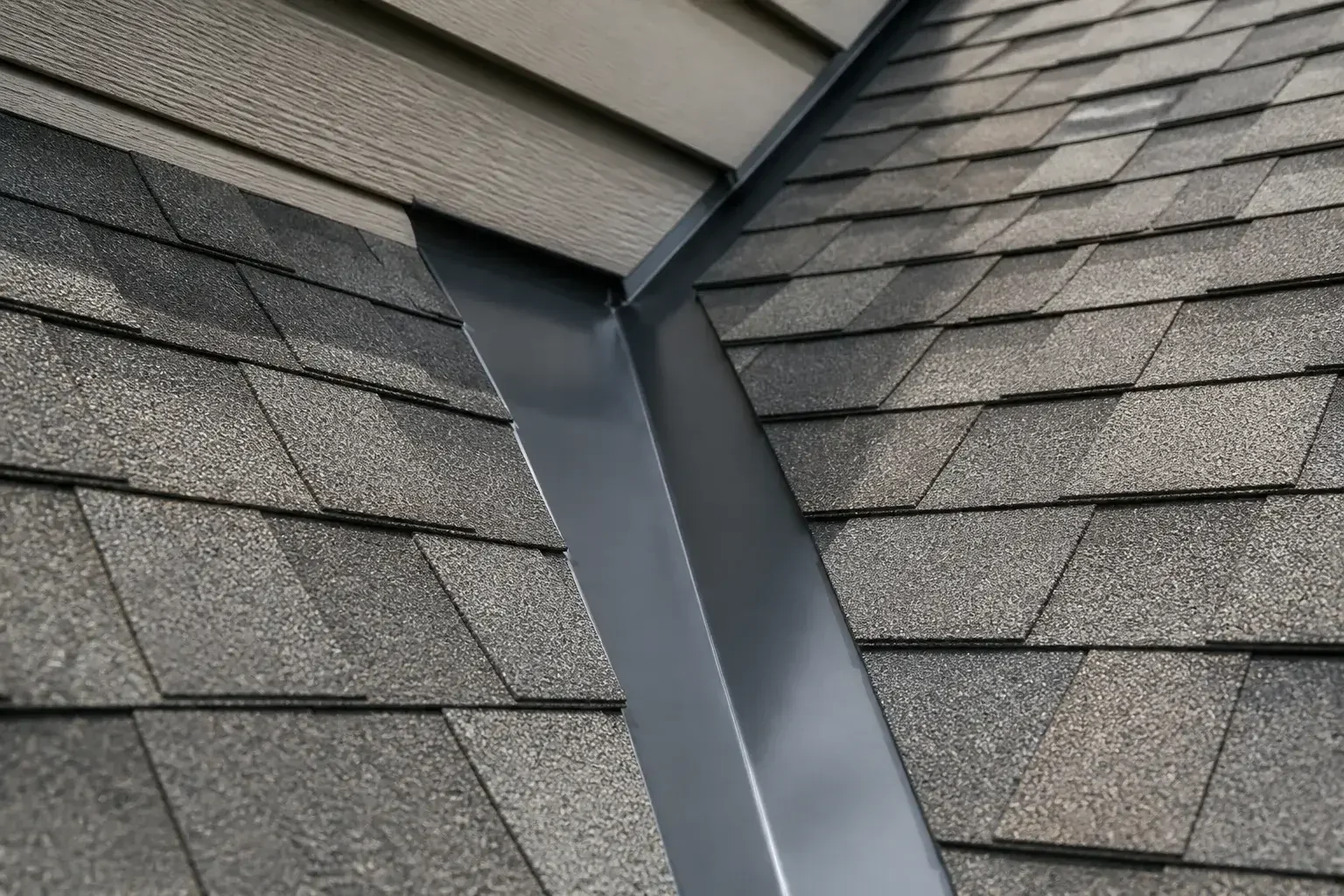
A roof leak rarely starts with a dramatic ceiling collapse. It usually begins as a small stain, a musty corner, or a drip that shows up after rain and then seems to disappear. By the time you notice it, water may already be working into decking, insulation, drywall, or trim.
If you see bubbling paint, brown rings on the ceiling, damp attic wood, or water collecting near a vent, skylight, or wall line, it is time to have it checked. Ridgecrest Roofing Co handles leak repair for homeowners in Denver and nearby communities, with local crews that look beyond the obvious spot and fix the source, not just the symptom.
Warning signs
A leak does not always announce itself in one obvious place. Water often follows the path of least resistance, so the visible stain may be several feet away from the actual roof opening. That is why a careful inspection matters before anything gets patched.
Signs to watch for
- Ceiling stains: Yellow, brown, or dark rings on ceilings often point to repeated moisture exposure.
- Peeling paint: Paint that bubbles, blisters, or flakes can signal hidden water behind the surface.
- Attic dampness: Wet insulation, dark wood, or a damp smell in the attic often means water is entering above.
- Interior drips after rain: A leak that appears only during or after storms usually points to a roof opening or flashing issue.
- Wall staining near the roofline: Stains along upper walls can indicate water moving from the roof edge or a penetration nearby.
If any of these signs are showing up, the safest next step is to have the roof examined before the damage spreads.
Common causes
Leaks can come from a few different trouble spots, and the repair depends on finding the true source. A good repair is not just sealing the wet area inside the house. It means tracing the water path back through the roof system.
- Damaged shingles: Missing, cracked, curled, or lifted shingles can allow water to enter under the roof covering.
- Flashing gaps: Flashing around chimneys, walls, skylights, and pipes can loosen or wear out over time, leaving an opening for water.
- Nail or fastener issues: Exposed or backed-out fasteners can create small entry points that let water in during repeated wet weather.
- Vent or pipe boot failure: Rubber or metal components around penetrations can split or deteriorate and start leaking.
- Storm-related damage: Hail or wind can loosen parts of the roof and create leaks that do not show up until the next rain.
In many cases, the leak is a combination of more than one issue, which is why a patch in one spot sometimes fails to solve the problem.
How we find it
Leak repair starts with locating where the water is getting in, not just where it is showing up inside. Ridgecrest Roofing Co looks at the roof surface, the surrounding details, and any visible signs inside the attic or at the ceiling line when needed.
Our approach
- Trace the entry point: We look for the most likely source area based on the stain location, roof slope, and visible roof conditions.
- Check surrounding details: We examine shingles, flashing, vents, valleys, and transitions where leaks often begin.
- Confirm the repair area: We make sure the problem is identified before work starts, so the fix addresses the right section.
- Repair the source: We correct the damaged roofing component rather than masking the symptom with a quick surface patch.
This process matters because water can travel along framing, under materials, or around obstacles before it becomes visible indoors. The true source is not always directly above the stain.
Repair options
Leak repair is not one-size-fits-all. The right fix depends on what failed, how far the moisture has traveled, and whether the surrounding roof materials are still sound.
Typical fixes
- Shingle replacement: Damaged shingles are removed and replaced when the problem is limited to the roof covering.
- Flashing repair: Loose or worn flashing is reset, sealed, or replaced where water is entering around transitions.
- Penetration sealing: Areas around vents, pipes, and similar roof openings are repaired so water cannot work around the opening.
- Localized roof repair: When the damaged area is larger, we repair the affected section so it blends properly with the rest of the roof.
We keep the repair focused on what the roof actually needs. If a small section can be corrected cleanly, there is no reason to disturb more of the roof than necessary.
What to expect
Homeowners often want to know what the repair process looks like from start to finish. A clear, orderly visit helps reduce guesswork and prevents repeat problems.
- Initial review: We look over the problem area, the roof surface, and the visible signs inside or near the leak.
- Source finding: We work to identify where water is entering so the repair targets the cause.
- Repair plan: We explain what failed and what needs to be corrected before any work begins.
- Roof repair: We complete the necessary fix and make sure the area is left in good condition.
- Cleanup: We leave the job site clean when the work is done.
Ridgecrest Roofing Co also provides a written workmanship warranty with every job, so you have clear documentation after the repair is complete.
Why leaks spread
A small leak can seem harmless at first, especially if the stain is tiny or the drip is occasional. But water rarely stays in one place. It can soak materials, weaken wood, and create hidden damage that grows over time.
Problems that can follow
- Insulation damage: Wet insulation loses effectiveness and can hold moisture against surrounding materials.
- Drywall staining: Interior finishes may stain, sag, or break down after repeated exposure.
- Wood deterioration: Framing or roof decking can soften or deteriorate if the leak continues.
- Mold-prone conditions: Persistent dampness can create the kind of environment where mold can develop.
The sooner the leak is repaired, the less chance there is for the problem to spread into other parts of the home.
Local roofing help
Ridgecrest Roofing Co is a local roofing contractor serving homeowners in Denver and the Front Range since 2009. We handle roof replacement, storm and hail damage repair, insurance claim help, gutters, roof inspections, and leak repair, so we understand how a small leak can fit into a larger roofing issue.
If your leak started after wind, hail, or a heavy storm, it is especially important to have it checked carefully. Some leaks are tied to visible damage, while others come from a loosened flashing detail or a broken seal that is easy to miss from the ground. Either way, the goal is the same: identify the cause and repair it properly.
We work with local crews, and we keep the job site clean while we work. That matters when the repair is inside an occupied home or when roofing materials need to be handled carefully around landscaping, walkways, and entry areas.
Common questions
How do I know if a roof leak is active?
An active leak usually shows up after rain, snowmelt, or a storm, but some leaks only reveal themselves as stains or soft spots after repeated moisture exposure.
Can a small stain mean a bigger roof problem?
Yes. A small interior stain can point to a larger issue above the ceiling, especially if water has been traveling along framing or under roofing materials before showing inside.
Why does the leak spot inside not match the roof spot outside?
Water often moves before it drops, so the visible stain may be far from the actual opening on the roof.
Do roof leaks always come from missing shingles?
No. Flashing, pipe boots, vents, valleys, and other roof details can also fail and let water in.
What should I do before the repair visit?
If possible, note when the leak appears, where the stain is located, and whether it happens during rain or after the storm passes.
Can a leak come back after it seems to stop?
Yes. A leak may dry out between storms and then reappear when weather conditions change or when the roof sees water again.
If you need leak repair in Denver, Ridgecrest Roofing Co can help you track down the source and get the roof sealed up correctly before more damage spreads.
How We Work
A Clear Roofing Process From Start to Finish
Every project begins with a careful look at the roof and a conversation about the best next step.
Inspect the Roof
We evaluate the roof condition, problem areas, and likely sources of damage or leaks.
Review Your Options
You get a clear explanation of the repair, replacement, or storm damage solutions that fit the situation.
Complete the Work
Our crew handles the job carefully and leaves the property clean when finished.
FAQ
Common Roofing Questions
If you have a question about your roof, send us a message and we will help you think through the next step.
How do I know if my roof needs repair or replacement?
An inspection is the best place to start. We look at the roof condition and explain which option makes the most sense.
Can you help after hail or storm damage?
Yes, we handle storm damage repair and can assess the roof after severe weather.
Do you work on flat roofs?
Yes, we provide flat roofing service for both repair and replacement needs.
Can you inspect a roof before I buy or sell a home?
Yes, we offer roof inspections to help you understand the condition of the roof before you move forward.
Do you help with leaks right away?
Leak repair is one of the most important services we provide because water problems can spread fast.
Let’s Talk About Your Roof
Tell us what is happening with your roof, and we will help you decide on the next step for repair, replacement, inspection, or storm damage work.