Emergency Roofing in Denver, CO
Sudden roof damage needs quick attention to reduce water intrusion and further loss.
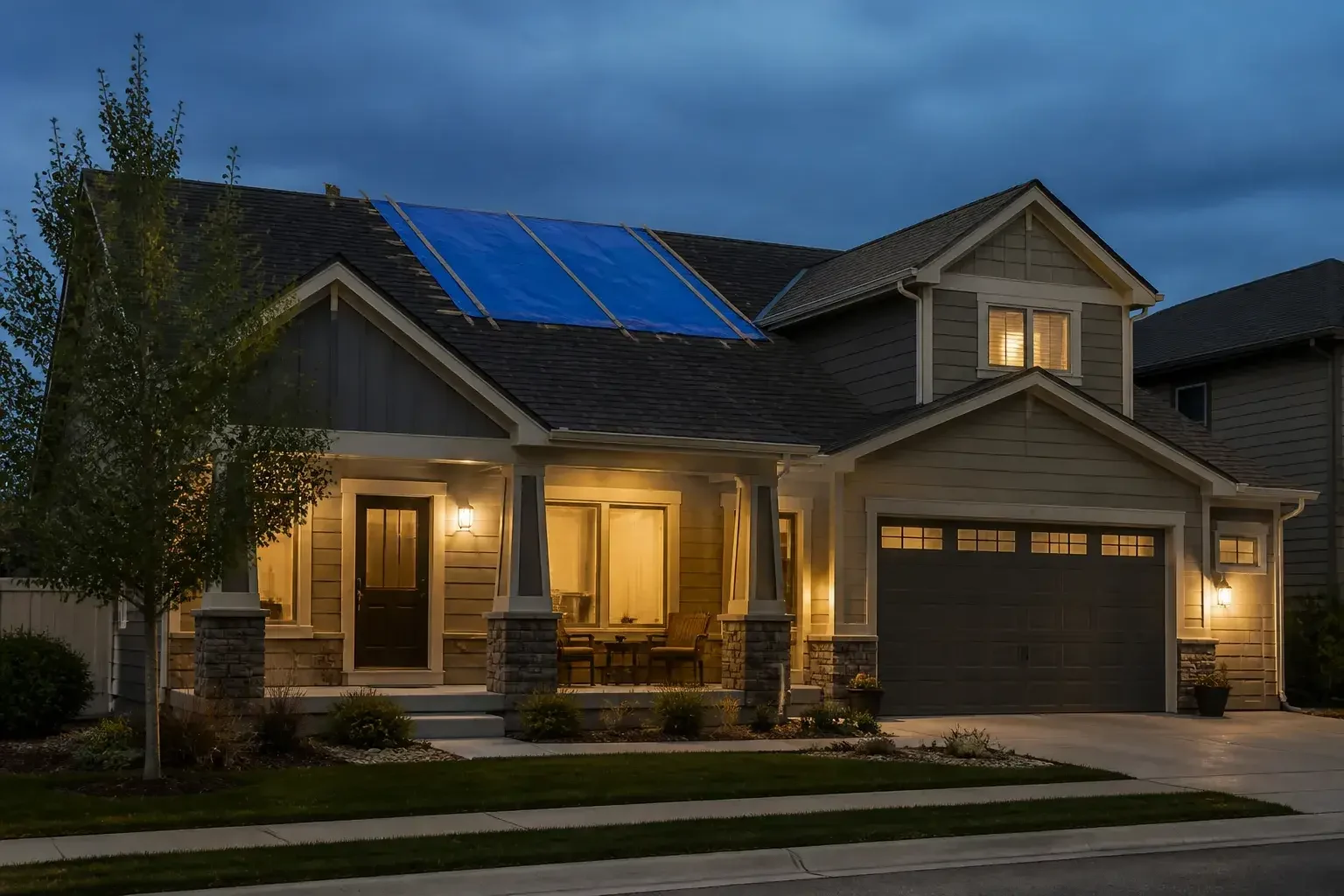
When your roof starts letting water in, the first signs are easy to miss and hard to ignore. A ceiling spot can grow in minutes, shingles can lift after a storm, and a small leak can turn into soaked insulation, damaged drywall, and a bigger repair bill than expected.
If you are looking at active dripping, missing shingles, loose flashing, or debris on the roof, the next step is simple: get the roof assessed and stop the damage from spreading. Ridgecrest Roofing Co helps homeowners in Denver respond quickly to urgent roof problems with clear communication, practical repair options, and a clean work area from start to finish.
When the roof needs attention
Not every roof problem looks dramatic from the ground. Some start with a faint stain, a musty smell in an attic, or a damp wall after a storm. Others are impossible to miss, like water dripping into a room or shingles scattered across the yard.
Warning signs
- Interior stains: Brown spots on ceilings or upper walls often mean water is moving farther than you can see.
- Active dripping: A drip during rain usually means the roof opening is already large enough to need prompt attention.
- Missing shingles: Bare areas leave the underlayment exposed and can let water reach the decking.
- Bent flashing: Metal around chimneys, vents, or roof transitions can loosen and create a direct leak path.
- Granules in gutters: Heavy shingle wear can show up as sand-like material washed off the roof.
If you notice more than one of these at once, the roof likely needs a closer look right away.
What usually causes it
A roof problem rarely starts in one place. Wind, impact, wear, and flashing trouble often work together, especially after severe weather.
- Storm damage: Wind can lift shingles, break seals, and expose areas that looked fine from the ground.
- Hail impacts: Hail can bruise shingles, crack protective surfaces, and shorten the roof’s remaining life.
- Flashing failure: The metal seals around roof features can loosen, rust, or separate from the surrounding materials.
- Aging materials: Older roofing can become brittle, making it easier for minor stress to become a leak.
- Hidden entry points: Small gaps around vents, pipe boots, or roof edges can let water in slowly before anyone notices.
Ridgecrest Roofing Co has handled roof repair, storm and hail damage repair, and leak repair for homeowners across the Front Range since 2009, so we know how quickly a small opening can become a serious interior problem.
How we respond
The first goal is to stop further damage. The second is to figure out what failed and what it will take to put the roof back together the right way.
- Fast roof check: We look for the source of the leak, not just the visible stain inside the house.
- Damage assessment: We identify whether the issue is isolated or part of a larger storm or aging problem.
- Clear repair plan: We explain the next steps in plain language so you know what needs attention first.
- Worksite protection: We keep the job site tidy and avoid leaving loose debris behind.
- Written follow-through: You receive the work with a written workmanship warranty.
If the damage is tied to a larger storm event, we can also help homeowners understand the repair process and how the roof condition relates to an insurance claim.
What we repair
Urgent roof calls often involve more than one issue. We handle the parts that commonly fail when a roof is under stress.
- Leak repair: We track down the water entry point and seal the problem where it starts, not where it shows up inside.
- Storm damage repair: We address roof damage caused by wind, hail, and sudden weather impact.
- Shingle roofing: We replace or secure damaged shingles so exposed areas are protected again.
- Flat roofing: We repair problem areas on flat roof sections that can hold water or develop seam trouble.
- Roof replacement: If the roof damage is too widespread for a practical repair, we can replace the roof and reset the system from the deck up.
- Gutters: When gutter damage is contributing to overflow or water intrusion, we can help restore proper drainage.
Every roof is different, so we match the repair to the damage instead of forcing a one-size-fits-all fix.
How to protect the house
While you wait for a roof assessment, a few simple steps can help limit the damage inside the home. These are not substitutes for roof repair, but they can reduce the mess and stress.
Do now
- Move valuables: Relocate furniture, electronics, and storage away from the leak path.
- Catch dripping water: Use buckets or containers to keep water from spreading across floors.
- Check the attic carefully: If it is safe to do so, look for wet insulation, dark spots, or dripping near roof framing.
- Avoid roof climbing: Wet roofing is slippery, and stepping on damaged areas can make the problem worse.
- Document what you see: Photos of stains, missing shingles, or fallen debris can help explain the damage clearly.
Do not do
- Do not pry at shingles: Pulling at damaged areas can tear surrounding materials and expand the opening.
- Do not seal random spots: Surface fixes can trap water or hide the real source of the leak.
- Do not ignore small stains: Minor discoloration often means the roof has already been leaking for some time.
These small precautions can buy time while the roof is assessed and repaired properly.
Our process
Homeowners want a direct answer, not a mystery. We keep the process simple so you know what is happening and why.
Step 1: Initial review
We start by listening to what you saw, when it started, and whether the problem appeared after a storm, wind event, or sudden leak.
Step 2: Roof inspection
We examine the affected areas, nearby roofing materials, flashings, and signs of water travel to narrow down the source.
Step 3: Repair recommendation
We explain whether the problem calls for a targeted repair, broader storm damage work, or a larger replacement discussion.
Step 4: Repair and cleanup
We complete the work, remove job debris, and leave the property as clean as possible when we are finished.
This approach helps homeowners in Denver make a decision with less guesswork and fewer surprises.
When replacement makes sense
Some roof damage can be fixed with a repair. Other times, the roof has too many weak spots for a repair to solve the problem for long.
Replacement may make more sense when:
- the damaged area is widespread,
- multiple sections have failed at once,
- the roof has repeated leak problems,
- or storm impact has affected large portions of the surface.
In those cases, a small patch may only delay the next leak. We will walk through the condition of the roof and explain whether repair or replacement is the more practical path.
Common questions
How do I know if water is coming from the roof?
Look for ceiling stains, damp attic insulation, wet walls near the top of the house, or dripping during rain. Those signs often point to a roof opening above the visible damage.
Can storm damage show up days later?
Yes. Some damage is immediate, but some leaks appear after the roof has had time to dry, shift, or absorb water. A small issue can stay hidden until the next rain.
What if the leak stops when the weather clears?
A dry roof does not mean the issue is gone. Many roof openings only leak when rain, wind, or pooling water pushes moisture through the damaged spot.
Should I check the attic first?
If it is safe, the attic can give useful clues. Wet insulation, staining, or daylight coming through the roof deck can help show where the problem is located.
Can gutter problems contribute to roof leaks?
Yes. If gutters are clogged, damaged, or pulling away, water can back up and find its way into roof edges, fascia areas, or wall sections.
What should I have ready when I call?
It helps to know when the problem started, whether a storm passed through recently, and which rooms show the first signs of water intrusion.
Local help
Ridgecrest Roofing Co serves homeowners throughout Denver and nearby Front Range communities with roof repair, roof replacement, roof inspection, emergency roofing needs, storm damage repair, leak repair, shingle roofing, flat roofing, commercial roofing, and gutters. We are a local, licensed and insured crew, and every job includes a written workmanship warranty and a clean job site.
If your roof is actively leaking or showing signs of storm damage, the safest move is to get it looked at before the problem spreads further.
How We Work
A Clear Roofing Process From Start to Finish
Every project begins with a careful look at the roof and a conversation about the best next step.
Inspect the Roof
We evaluate the roof condition, problem areas, and likely sources of damage or leaks.
Review Your Options
You get a clear explanation of the repair, replacement, or storm damage solutions that fit the situation.
Complete the Work
Our crew handles the job carefully and leaves the property clean when finished.
FAQ
Common Roofing Questions
If you have a question about your roof, send us a message and we will help you think through the next step.
How do I know if my roof needs repair or replacement?
An inspection is the best place to start. We look at the roof condition and explain which option makes the most sense.
Can you help after hail or storm damage?
Yes, we handle storm damage repair and can assess the roof after severe weather.
Do you work on flat roofs?
Yes, we provide flat roofing service for both repair and replacement needs.
Can you inspect a roof before I buy or sell a home?
Yes, we offer roof inspections to help you understand the condition of the roof before you move forward.
Do you help with leaks right away?
Leak repair is one of the most important services we provide because water problems can spread fast.
Let’s Talk About Your Roof
Tell us what is happening with your roof, and we will help you decide on the next step for repair, replacement, inspection, or storm damage work.