Roof Repair in Denver, CO
Leaks, missing shingles, and worn areas can grow into bigger problems without prompt repair.
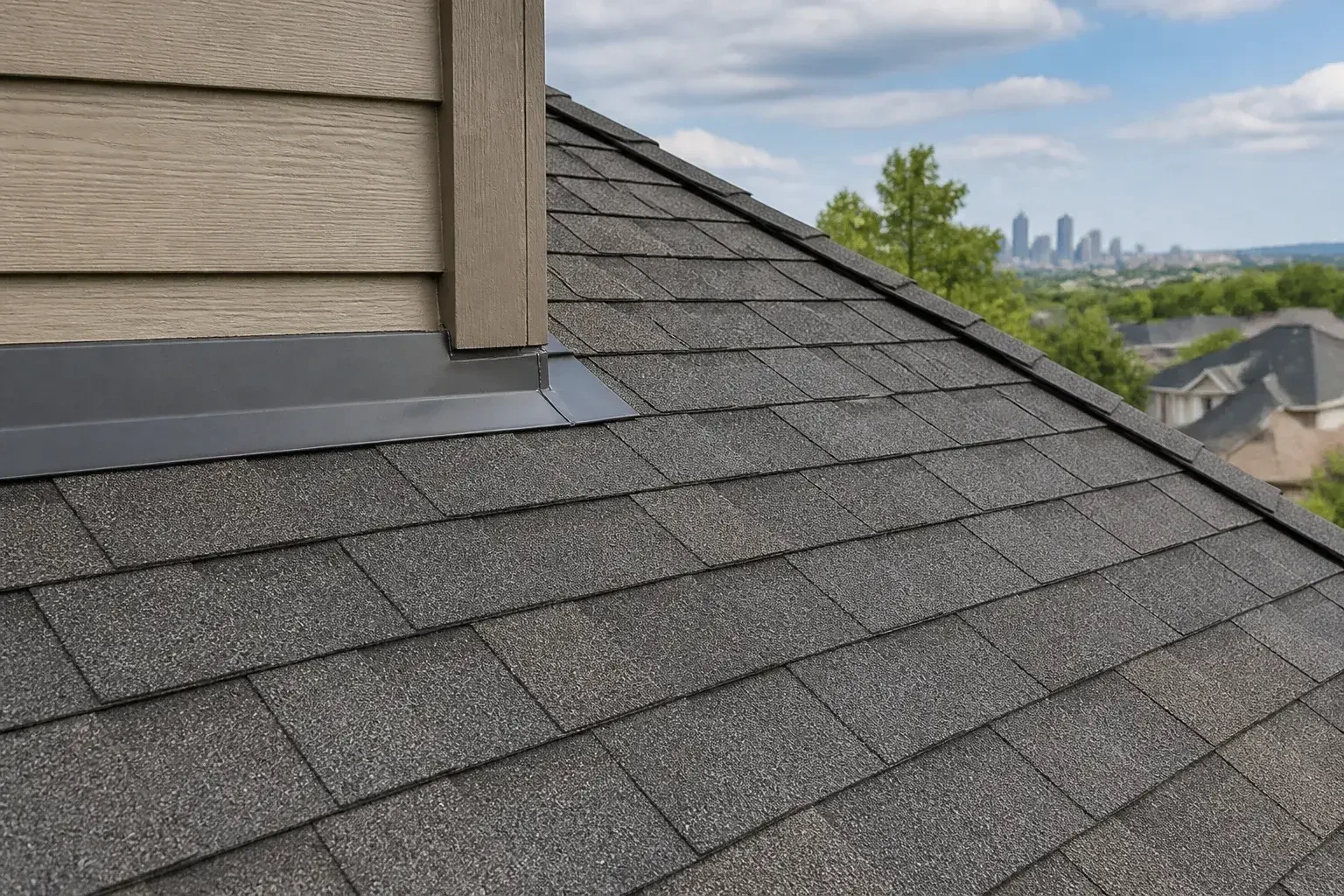
A roof problem usually shows up in small ways first. You may notice a stain on the ceiling, a damp spot after rain, shingles that look lifted, or granules collecting near the downspouts. Sometimes the signs are subtle until a wind-driven storm passes through and a leak starts showing up in one room, then another.
If that sounds familiar, the next step is to have the damage checked before it spreads. Ridgecrest Roofing Co handles roof repair for homeowners in Denver, and we focus on finding the source of the problem, fixing what failed, and leaving the property tidy when the work is done.
Warning signs
Roof damage does not always announce itself with a major leak. In many homes, the first clue is something small that gets ignored because it seems minor. A roof may still shed water for a while even after parts of it have started to fail, which is why careful attention matters.
- Water spots: A ceiling stain or wall discoloration often means water has already traveled farther than the visible mark.
- Missing shingles: Open spots can expose the roof deck and make the surrounding shingles more vulnerable.
- Curling edges: Shingles that curl, crack, or lift can let water work underneath.
- Soft areas: A spongy feeling in certain sections may point to underlying moisture damage.
- Debris after storms: Shingle pieces, roofing granules, or flashing bits on the ground are signs that something moved or broke loose.
When these issues appear, it is smart to act sooner rather than later. Small repairs are often more straightforward than letting a leak spread into decking, insulation, or interior finishes.
Common causes
Roof damage can come from a few different sources, and the repair approach depends on what actually failed. We look at the symptoms and then trace them back to the cause so the fix addresses the real issue.
- Storm damage: Wind and hail can loosen shingles, damage flashing, and create openings that are not obvious from the ground.
- Aging materials: Shingles, sealants, and flashing can wear out over time and stop sealing the way they should.
- Poorly sealed areas: Valleys, vents, chimneys, and other transitions are common places for water to get in if a seal breaks down.
- Previous patchwork: A past repair that did not solve the source problem can leave behind a recurring leak.
- Debris impact: Branches, fallen debris, and impact from heavy weather can crack materials or disturb the roof surface.
A good repair starts with locating the true source, not just the place where water shows up inside. That is especially important when a leak seems to move around or appears only after certain weather conditions.
What we check
A proper roof repair visit should look beyond the obvious spot on the ceiling. Ridgecrest Roofing Co checks the areas that commonly fail first so the repair plan is based on what the roof actually needs.
Surface condition
We look for lifted shingles, cracks, punctures, loose fasteners, and worn sections that may not be visible from the ground. These details help show whether the issue is isolated or part of a wider problem.
Flashing and edges
Flashing around joints, walls, vents, and other transitions is one of the first places we inspect. If water is sneaking in at an edge, replacing the wrong shingle will not solve it.
Leak path
Water often travels before it becomes visible indoors. We trace likely paths to determine where the opening began and which surrounding materials may also need attention.
Surrounding areas
We also check nearby sections of the roof for matching wear or storm impact. That helps avoid repairing only one spot while leaving another weak area in place.
For homeowners in Denver, that kind of close inspection matters because a leak can look minor at first and still affect several parts of the roof system.
Repair options
Not every roof problem calls for the same fix. Some issues can be handled with a targeted repair, while others need a more involved section-by-section approach.
- Shingle replacement: Damaged or missing shingles can often be replaced to restore the protective surface.
- Flashing repair: Worn or separated flashing can be resealed or replaced where water is entering.
- Leak patching: Active leak points can be sealed after the source is identified and the surrounding area is prepared properly.
- Localized section repair: If damage is grouped in one area, we can address that section without disturbing the rest of the roof unnecessarily.
The goal is not to do the most work possible. The goal is to do the right work so the roof sheds water the way it should again.
How the visit works
Homeowners usually want a clear process, not a guessing game. Ridgecrest Roofing Co keeps the repair visit straightforward so you know what is being found and what is being done.
- Initial look: We start by reviewing the visible damage and listening to what you have noticed inside or outside the home.
- Source check: We examine likely entry points and nearby roof areas to trace the problem back to its source.
- Repair plan: We explain what needs attention and what the repair is meant to correct.
- Work performed: We complete the repair with the needed materials and careful attention to the surrounding roof area.
- Cleanup: We leave the job site clean and clear when the work is finished.
A straightforward process helps remove uncertainty. It also makes it easier to decide whether the issue is a simple repair or a more involved roof replacement later on.
After the repair
A repaired roof should not leave you wondering what was actually fixed. After the work is complete, we want the problem area to be addressed in a way that makes sense for the roof as a whole.
That means looking at how the repaired section blends with the surrounding materials, whether nearby shingles still show wear, and whether any other spots should be monitored for future trouble. If a storm has affected more than one area, we can point that out so you are not caught off guard later.
Ridgecrest Roofing Co has served homeowners since 2009, and we keep the focus on practical work that solves the problem in front of you. For many homes in Denver, that means a careful repair now can help avoid larger water damage later.
Homeowner checklist
If you suspect roof trouble, a few quick notes can help speed up the repair visit and make the findings easier to understand.
- Where you noticed it: Note which room, ceiling area, or wall showed the first sign of moisture.
- When it happens: Pay attention to whether the issue appears after rain, wind, or a storm.
- Visible changes: Look for shingles on the ground, dark streaks, or pieces of material around the home.
- Past repairs: Share any previous patching or roof work you know about.
- Recent weather: Storm timing can help narrow down when the damage likely occurred.
These details do not need to be perfect. Even a short description can help connect the interior symptom to the right place on the roof.
Common questions
How do I know if a roof problem needs repair?
If you see a leak, missing shingles, cracked materials, or new water stains, it is worth having the roof checked. Small warning signs often point to a bigger issue hidden nearby.
Can a roof leak come from a different spot than the ceiling stain?
Yes. Water can travel along decking, framing, or other roof materials before it becomes visible inside. That is why the source check matters.
What kinds of roof damage are most common to repair?
Loose shingles, flashing issues, and localized leak points are common repair needs. Storm-related damage is also frequent when wind or hail has disturbed the roof surface.
Should I wait if the leak seems small?
It is better not to wait. Even a small leak can spread into insulation, ceilings, and wall areas if it keeps happening.
Will one repair fix every roof issue?
Not always. A single repair can solve a localized problem, but repeated leaks or wider wear may mean more than one area needs attention.
What should I do before a repair visit?
Try to note where the problem appeared, when it started, and whether anything changed after recent weather. That information helps narrow down the source faster.
How We Work
A Clear Roofing Process From Start to Finish
Every project begins with a careful look at the roof and a conversation about the best next step.
Inspect the Roof
We evaluate the roof condition, problem areas, and likely sources of damage or leaks.
Review Your Options
You get a clear explanation of the repair, replacement, or storm damage solutions that fit the situation.
Complete the Work
Our crew handles the job carefully and leaves the property clean when finished.
FAQ
Common Roofing Questions
If you have a question about your roof, send us a message and we will help you think through the next step.
How do I know if my roof needs repair or replacement?
An inspection is the best place to start. We look at the roof condition and explain which option makes the most sense.
Can you help after hail or storm damage?
Yes, we handle storm damage repair and can assess the roof after severe weather.
Do you work on flat roofs?
Yes, we provide flat roofing service for both repair and replacement needs.
Can you inspect a roof before I buy or sell a home?
Yes, we offer roof inspections to help you understand the condition of the roof before you move forward.
Do you help with leaks right away?
Leak repair is one of the most important services we provide because water problems can spread fast.
Let’s Talk About Your Roof
Tell us what is happening with your roof, and we will help you decide on the next step for repair, replacement, inspection, or storm damage work.